UC San Diego
Natural Reserve System
Join our monthly newsletter 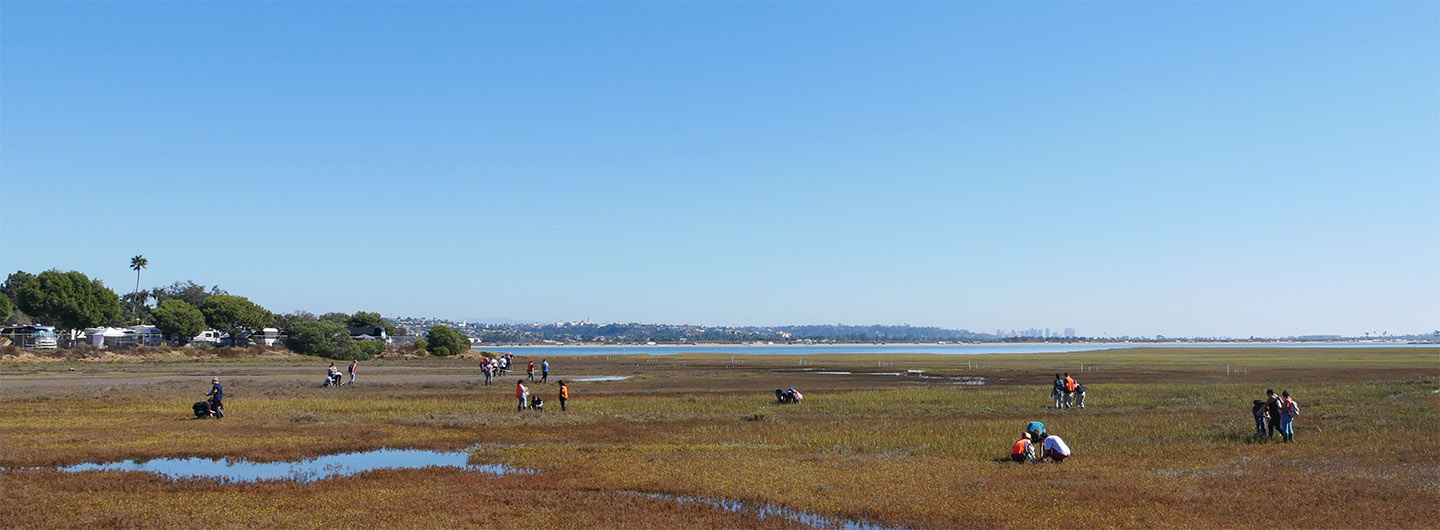
UC San Diego
Natural Reserve System
Visit a reserve 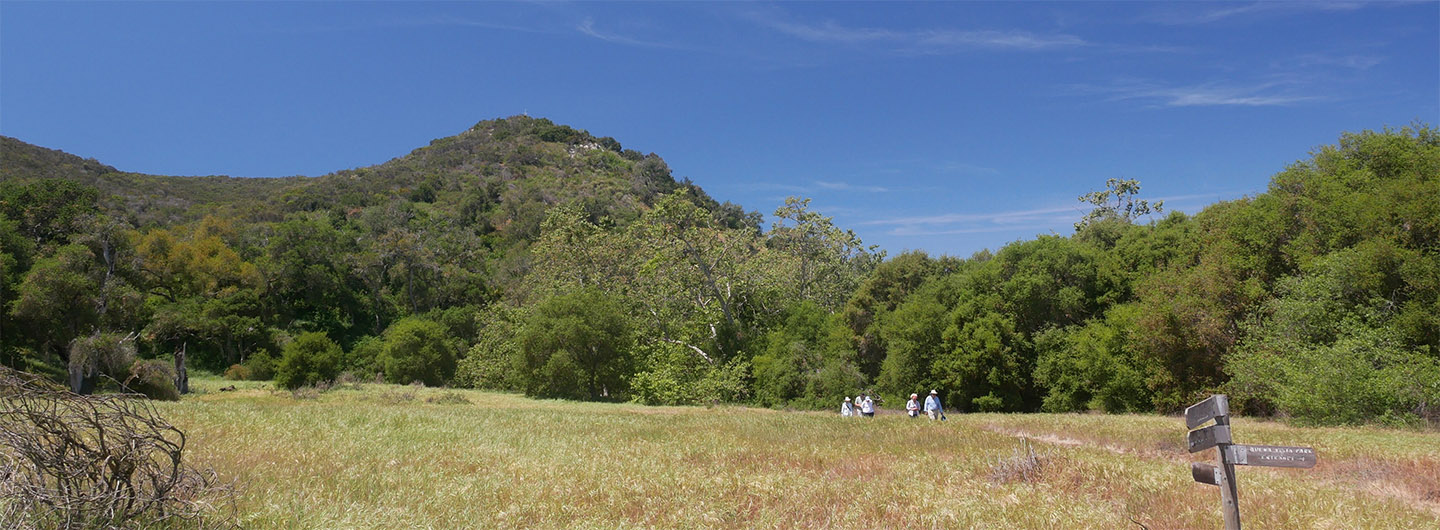
UC San Diego
Natural Reserve System
Annual Report 
UC San Diego
Natural Reserve System
Donate Welcome to the UC San Diego Natural Reserve System
UC San Diego's four Natural Reserves are part of UC Nature, which supports research, education, and stewardship across California’s natural landscapes. Explore the Reserves at our upcoming public events or plan a visit to any of the 42 Natural Reserves and Field Stations.
Land Acknowledgement
The UC San Diego community holds great respect for the land and the original people of the area where our campus is located. The university is built on the un-ceded territory of the Kumeyaay Nation. Today, the Kumeyaay people continue to maintain their political sovereignty and cultural traditions as vital members of the San Diego community. We acknowledge their tremendous contributions to our region and thank them for their stewardship.
*The Intertribal Resource Center is working with Kumeyaay community members and the campus community to create an official statement for UC San Diego. The above statement is a current draft currently used by the Intertribal Resource Center.
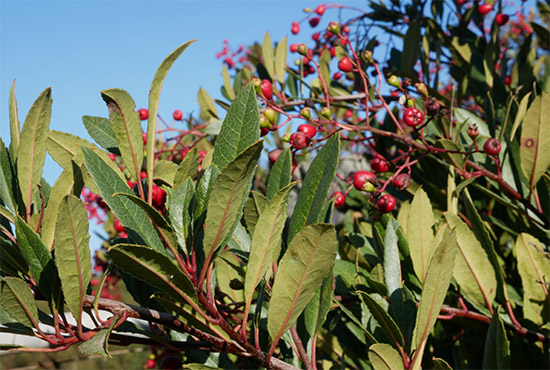
Dawson Los Monos Canyon Reserve
Located in Vista, California, 45 minutes northeast of the main campus, Dawson's unique topographies and habitats include the perennial Agua Hedionda Creek, coast live oak woodland, and inland sage scrub.
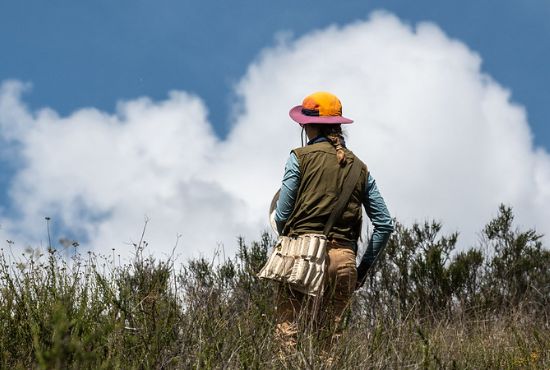
Elliott Chaparral Reserve
Located 25 minutes east of the main campus near MCAS Miramar, Elliott was almost entirely burned by the 2003 Cedar fire. The subsequent succession of chaparral habitat and recovery of animal populations have been the focus of several studies.
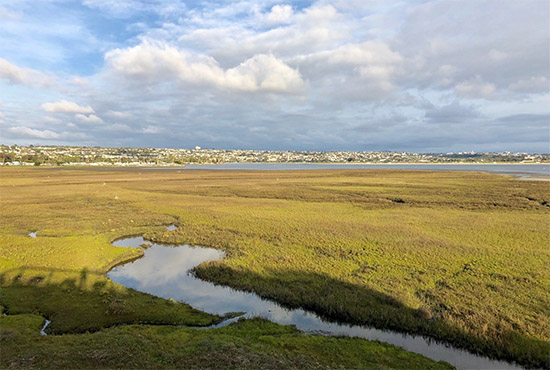
Kendall Frost Marsh Reserve
Located 20 minutes south of the main campus on the north shore of Mission Bay, Kendall-Frost's rare Pacific salt marsh habitat is home to the endangered Ridgway’s rail and many other species of birds, fish, invertebrates, and plants. Kendall-Frost also has a Field Station and Community Learning Center.
Scripps Coastal Reserve
Located immediately west of the main campus and directly adjacent to Scripps Institution of Oceanography, Scripps' topographies and habitats include coastal sage scrub, sandy beach, rocky intertidal, and underwater canyon. While the intertidal and submarine portions of Scripps Reserve are accessible to the public, organized groups should obtain a permit before visiting.